
Understanding Automotive Wire: Types and Selection Guide
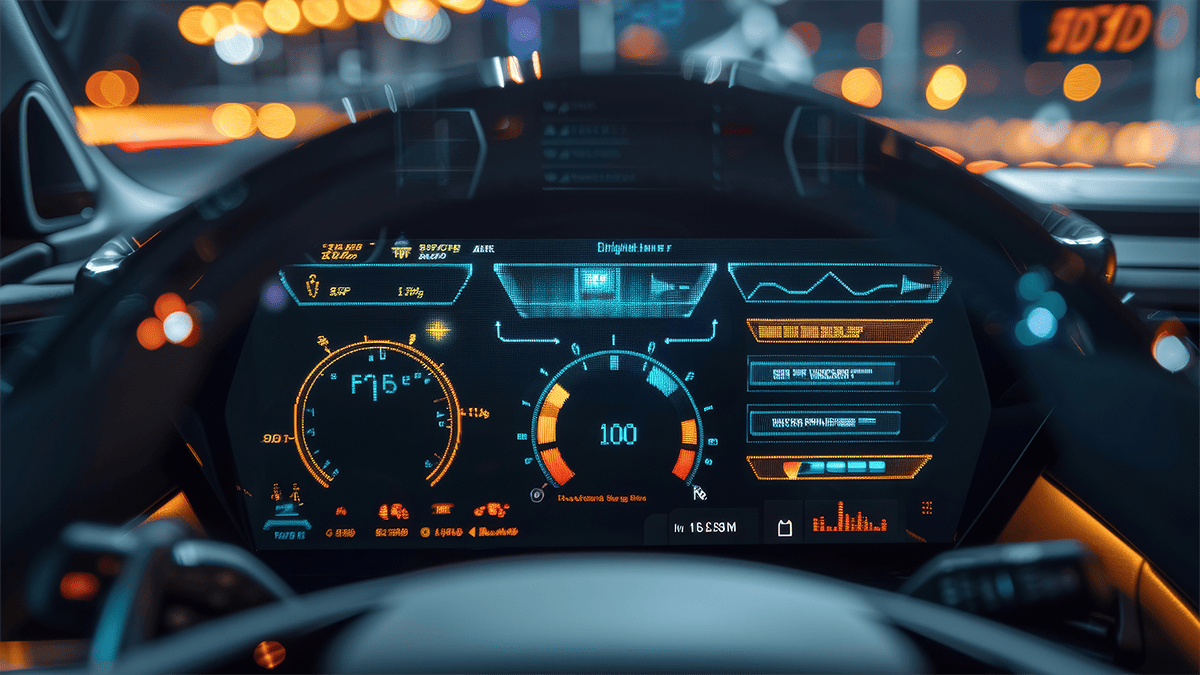
In today’s automotive industry, vehicles are no longer just mechanical machines; they are sophisticated electronic systems that rely heavily on high-quality wiring. From advanced driver-assistance systems (ADAS) to electric vehicles (EVs), every function depends on the proper transmission of electrical signals. Knowing about different types of automotive wires and choosing the right ones is very important for safety and performance.
This guide will help you understand the basics of automotive wire harness, explain common types of automotive wires, and give you useful tips for picking the best wiring for your needs.
Importance of Automotive Wires and Harnesses
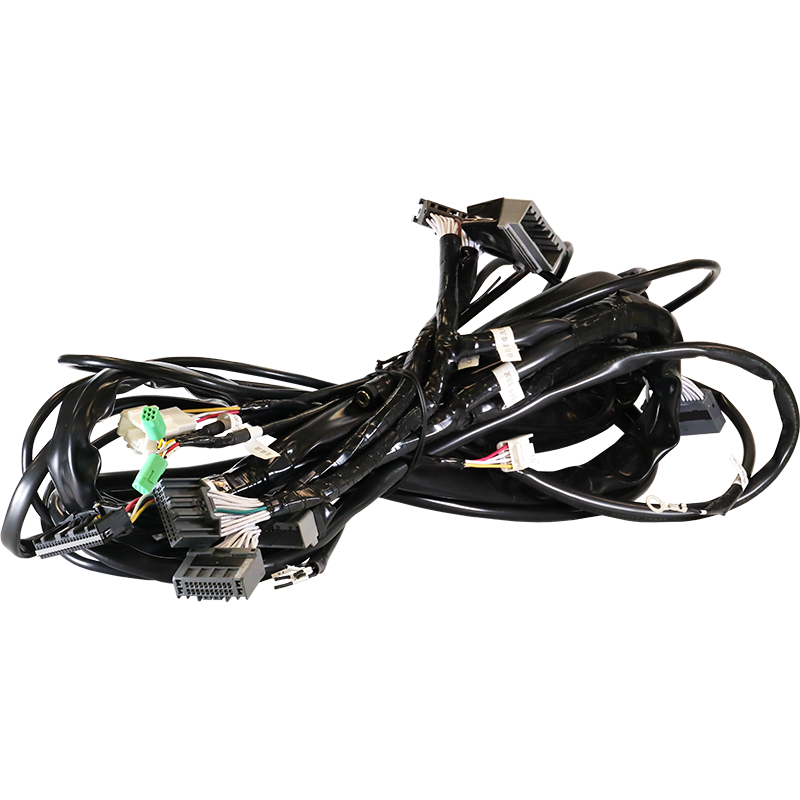
Automotive wires are specialized electrical conductors used in vehicles to transmit power and signals between components. These wires are more than just conduits for electricity. They play a critical role in the operation of all vehicle systems, from lighting and infotainment to engine management and high-voltage EV components.
An automotive wire harness is a bundled assembly of multiple wires with connectors and protective covering. A well-designed automotive wire harness ensures that power and signals are transmitted efficiently and safely. As cars become more complex, especially with hybrid and electric models, it’s crucial to choose the right type of wire, insulation material, and connectors. This helps make sure everything works well and lasts a long time. Improper selection can lead to voltage drops, overheating, electromagnetic interference (EMI), and even safety hazards.
Common Automotive Wire Types
Automotive wires are designed to meet stringent performance requirements, including high-temperature resistance, flexibility, and EMI protection. They can be classified based on insulation type, structure, and application. Below is an overview of the most common automotive wire types:
|
Standard |
Type |
Full name |
Description |
Rated Temperature |
Applications |
|
Japanese (JASO/JIS) |
AVSS |
Japanese Thin Insulated Low-Voltage Wire |
Thin, flexible wire with lightweight insulation. Soft, space-saving, easy to route in tight spaces. |
105°C |
Interior lighting, dashboard power supply. It can be used in grounding applications in Japanese cars. |
|
Japanese (JASO/JIS) |
AESSX |
Thin Cross-Linked Polyethylene Insulated Heat Resistant Low Voltage Wires |
Reinforced insulation for high-temperature applications. Similar structure to AVSS. |
125°C |
Wiring harnesses in cars, motorcycles, and various vehicles, as well as for electronic circuits, sensor leads, and internal wiring of mobile electrical devices. |
|
Japanese (JASO/JIS) |
AV |
Standard Automotive Wire |
Conventional wire used in low-voltage circuits. Heat-resistant up to 85°C, reliable for traditional automotive circuits. |
85°C |
Power supply lines, switches, and general-purpose wiring. |
|
US (SAE) |
TXL |
Thin Cross-Linked Polyethylene Wire |
Lightweight, high-temperature-resistant wire with cross-linked insulation. Heat-resistant up to 125°C, oil-resistant, durable. |
125°C |
ECU modules, high-temperature engine bay wiring. TXL can be used for grounding purposes. |
|
US (SAE) |
GPT |
General Purpose Automotive Wire |
Economic wire with PVC insulation, rated for 105°C. Cost-effective, easy to handle. |
105°C |
Low-load interior circuits, general-purpose wiring |
|
German(DIN) / European (ISO 6722) |
FLRY-A/B |
European Standard Wires (meeting IATF 16949 standards) |
Type A and Type B have the same outer diameter (OD); the main difference lies in the number of copper strands. Type A contains fewer strands, while Type B contains more, resulting in slight differences in conductivity and flexibility. |
105°C |
European vehicles, CAN communication lines. |
These types of wires are all low-voltage automotive harness wires. The main differences lie in the applicable standards (e.g., JIS, DIN, SAE, etc.), while their overall performance is similar. The choice of wire depends on the customer’s required temperature rating. Currently, JIS- and DIN-standard wires are the most commonly used in the domestic market.
Classification by Structure
Automotive wires are also classified by their structural design to meet specific electrical and environmental requirements:
- Single-Core Unshielded:Generally used for low current and voltage, for signal transmission in environments without electromagnetic interference, or can be twisted with other wires to improve interference resistance.
- Single-Core Shielded: It consists of one conductive core surrounded by a protective shielding layer, such as braided metal or foil. It reduces electromagnetic interference (EMI) for sensitive electronic signals.
- Multi-Core Twisted / Twisted Pair: It consists of two or more insulated conductors twisted together. It enhances EMI/RFI resistance, suitable for ADAS and data transmission modules.
- High-Voltage Wires:Rated for approximately 600–1500 V, typically using XLPE insulation, heat-resistant up to 125 °C. Available in both shielded and partially shielded variants.
How to Choose Automotive Wires
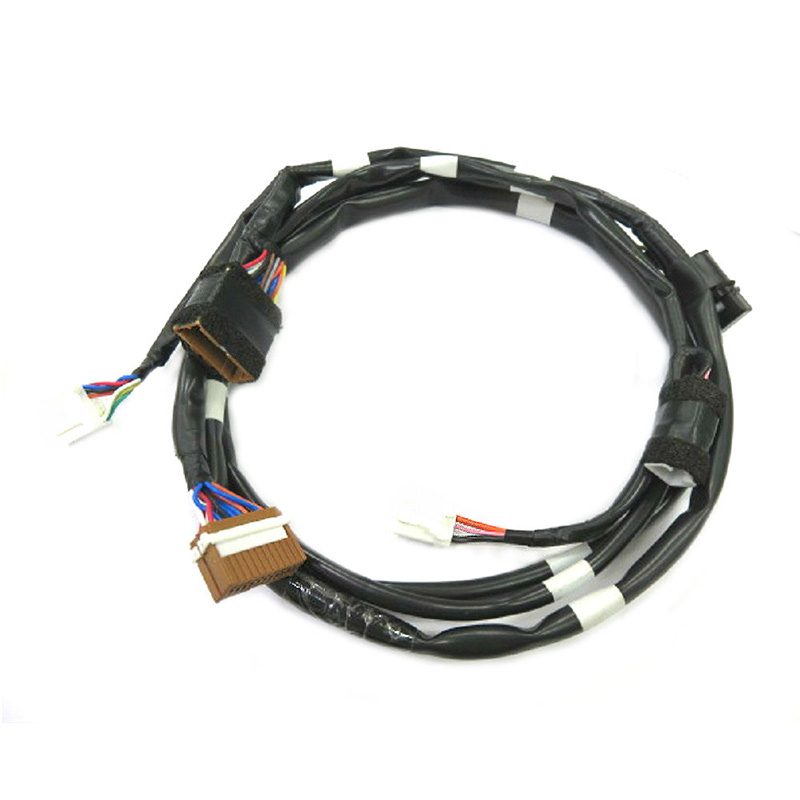
Selecting the right automotive wire involves careful consideration of several factors. A mismatch in wire type or connector can compromise system reliability.
Considerations when designing or sourcing a wire harness
1. Key Electrical Specifications
- Current-Carrying Capacity: Ensure the wire can safely handle the expected load. Under high-temperature conditions, the current-carrying capacity may decrease by approximately 20%.
- Voltage Rating: Check the maximum operating voltage and insulation rating.
- Insulation Type: Match insulation material to environmental and electrical requirements. It must meet the required insulation resistance and temperature rating.
2. Environmental Conditions
- Temperature and Heat Resistance: For engine bays or high-power circuits.
- Oil, Water, and Salt Spray Resistance: For harsh automotive environments.
- EMI/RFI Protection: Critical for ADAS and high-speed data communication.
3. Space and Flexibility
- Wire Diameter and Bend Radius: Ensure the wire can fit in tight spaces without kinking or breaking.
- Routing Constraints: Important for compact vehicle designs.
4. Regulatory and Customer Standards
- Compliance standards, such as LV 112, ISO 6722, UL 758, ELV, and flame-retardant testing.
- Quality certifications like ISO 9001 and IATF 16949.
- Mechanical tests, including tensile strength, heat aging, and flex life.
Connector Considerations
- Contact Reliability: Choose appropriate metal plating (gold, tin) for long-term performance.
- Reliability Testing: Temperature cycling, vibration, and salt spray tests to validate performance.
- Mechanical Strength: Ensure sufficient plug/unplug cycles and retention force.
- Sealing Requirements: IP67 or higher for water-resistant applications. According to environmental requirements.
- Wiring Method: Consider crimping versus soldering and whether specialized tooling is required
Wanshih is Your Trusted Manufacturer of Automotive Wires
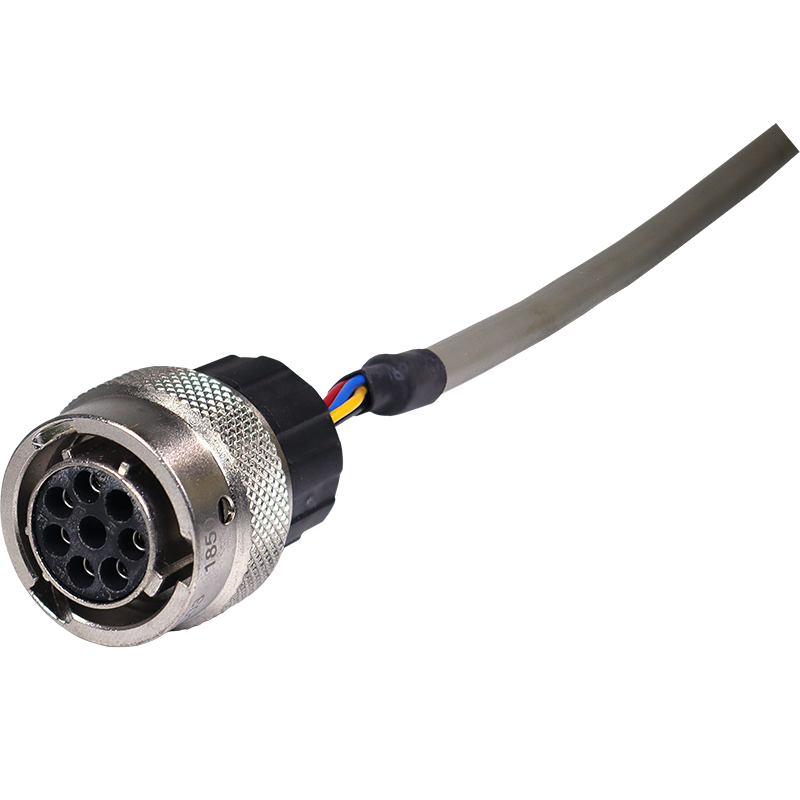
For high-quality automotive wire harness solutions, Wanshih stands out as a trusted partner. Our professional, custom design capabilities are tailored for the latest EV and ADAS trends.
Key advantages include:
- Compliance and Expertise: Wanshih meets all critical electrical, environmental, and mechanical requirements with an IATF 16949-certified R&D team.
- One-Stop Service: From collaborative design to manufacturing, testing, and assembly, Wanshih specializes in long-distance, high-precision wire harness processing for EVs, hybrid vehicles, electric bikes, and buses.
- Rapid Prototyping and Mass Production Planning: We handle complex wiring harnesses and provide fast sample turnaround.
Success Stories
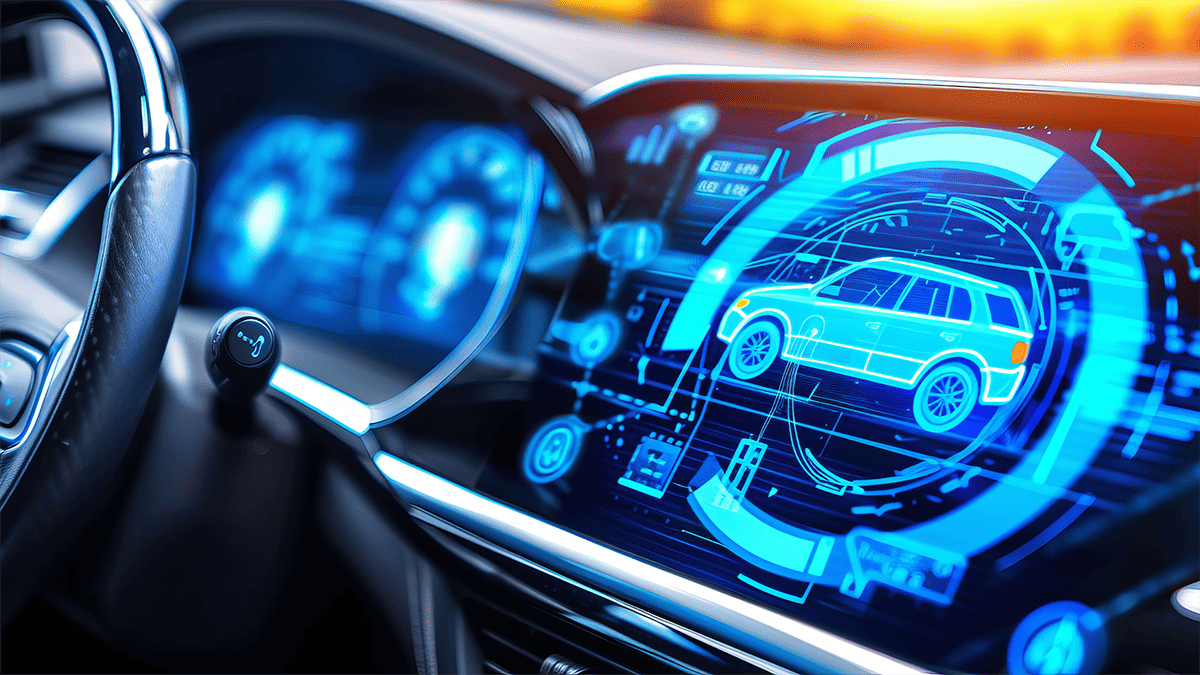
1. Digital Instrument Wire Harness for European EV Tier 1 Supplier
- Challenge: Signal interference and poor contact between HUD dashboard and battery module during development.
- Wanshih Solution: Supplied 30 custom LVDS signal + power composite wire samples; supervised production, soldering, and signal testing; provided complete material and design support.
- Outcome: Sample approval → mass production in 8 months → now over 300,000 sets shipped annually. It has become a standard feature in the client’s flagship vehicle model.
- Client Feedback: “Wanshih is more than a wire harness supplier; they are a development partner from concept to production.”
2. High-Voltage Power Wire for Taiwanese EV Manufacturer
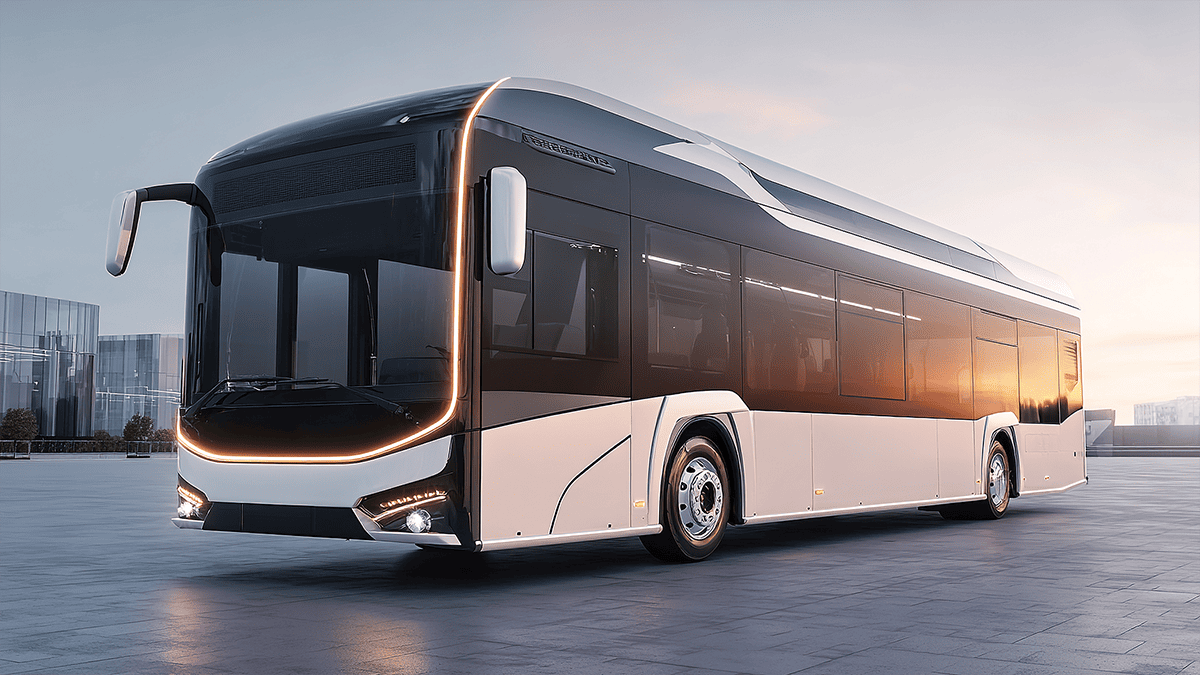
- Challenge: In early 2024, a Tier 1 electric bus manufacturer faced production downtime when their original supplier failed to deliver critical high-voltage power harnesses for ARTC testing. The halted certification risked losing government subsidies and delaying end-customer deliveries, potentially causing multimillion-dollar losses.
- Wanshih Solution: Initiated emergency sampling; completed 10 prototype units within 48 hours; custom tooling for high-current terminals; rapid 2D & 3D drawings for verification.
- Outcome: Sample to production handover within two weeks; extended to other module harnesses.
- Client Feedback: “Wanshih is one of the few suppliers capable of handling large-current wire sets, exceeding expectations in delivery, quality, and technical support.”
Partner With Wanshih to Get Your Automotive Wire Harnesses Right
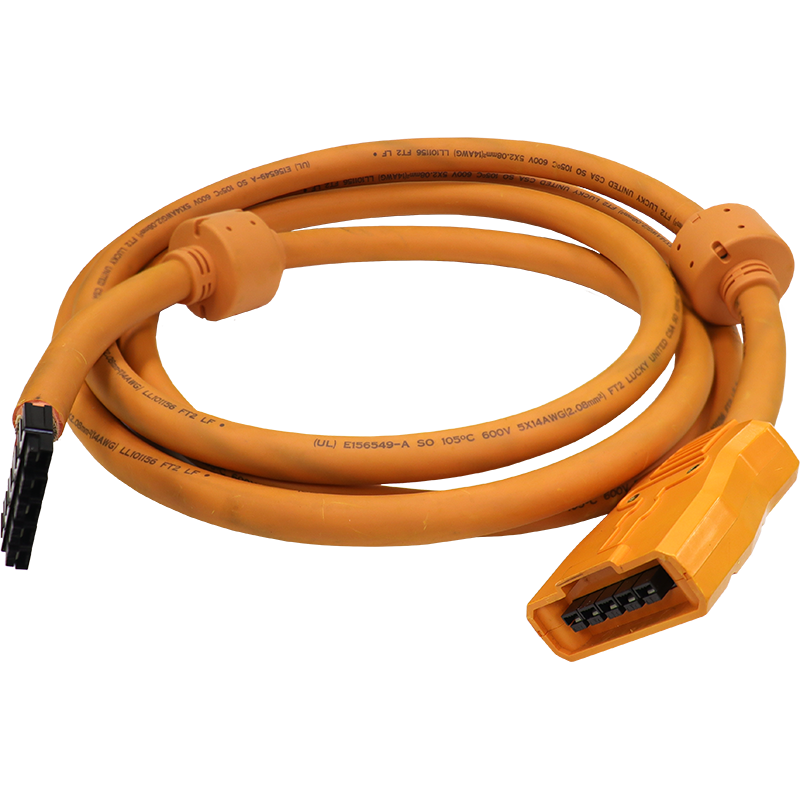
Choosing the right automotive wire is critical for ensuring vehicle systems operate reliably and safely. With a growing demand for EVs, hybrid vehicles, and advanced electronics, understanding automotive wire types and key selection criteria is more important than ever. From electrical and environmental specifications to connector reliability, each factor contributes to a robust automotive wire harness design.
For manufacturers and designers seeking a trusted partner, Wanshih offers comprehensive automotive wire solutions that address both traditional and emerging challenges. Our expertise in custom wiring, high-precision processing, and one-stop service ensures that your projects, whether prototyping or mass production, are executed efficiently and reliably. Please feel free to contact us for further information.
▲Check out this introduction video of our automotive wire harness solutions!
Further reading: Automotive Module Cable: Basics and Applications